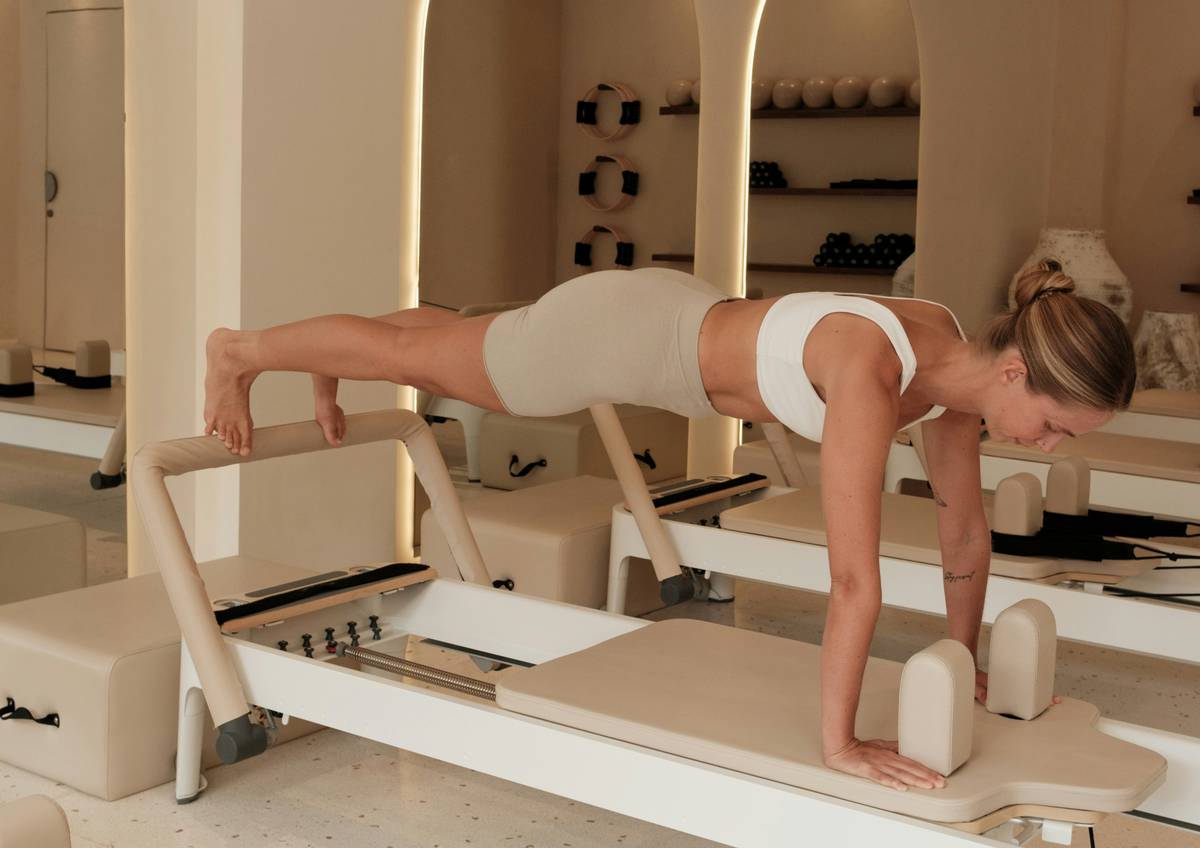
Ever held a plank for 60 seconds—only to realize your lower back was screaming, your breath was shallow, and your “core” wasn’t firing at all? I did. Twice. The first time, I thought tight abs equaled strong core. The second time—after misinterpreting a “core activation cue” during an online Pilates class—I pulled my right hip flexor so badly I couldn’t walk up stairs for three days. That’s how I learned: Pilates isn’t just about looking toned—it’s about teaching your nervous system where your center actually lives.
This article cuts through the noise in Online Education by explaining why Pilates—particularly as taught through structured, instructor-led digital courses—is now the most trusted method for building functional core strength among fitness professionals, rehab specialists, and outdoor athletes alike. You’ll learn exactly how it works (not just that it does), what science says, real-world results, and one terrible tip you’ll want to avoid at all costs.
Table of Contents
- Why Core Confusion Is Costing Learners Time & Trust
- How Pilates Builds Core Strength: A Step-by-Step Breakdown
- 5 Evidence-Based Tips for Getting Results—Fast
- Real Outcomes: From Desk Workers to Trail Runners
- Frequently Asked Questions About Pilates and Core Health
Why Core Confusion Is Costing Learners Time & Trust
In today’s crowded online education landscape, “core strength” means wildly different things across platforms. YouTube tutorials promise “6-pack abs in 2 weeks.” App-based challenges blast reps with zero coaching on pelvic floor or breath coordination. And worse? Some courses market “core stability” while skipping diaphragmatic breathing entirely—undermining foundational neuromuscular control before it begins.
That disconnect is why learners drop out—and why instructors lose credibility. According to the National Institutes of Health, over 62% of adults who start home-based core programs quit within 3 weeks due to pain, confusion, or lack of measurable progress. Pilates addresses this head-on—not with gimmicks, but with neuro-motor retraining.
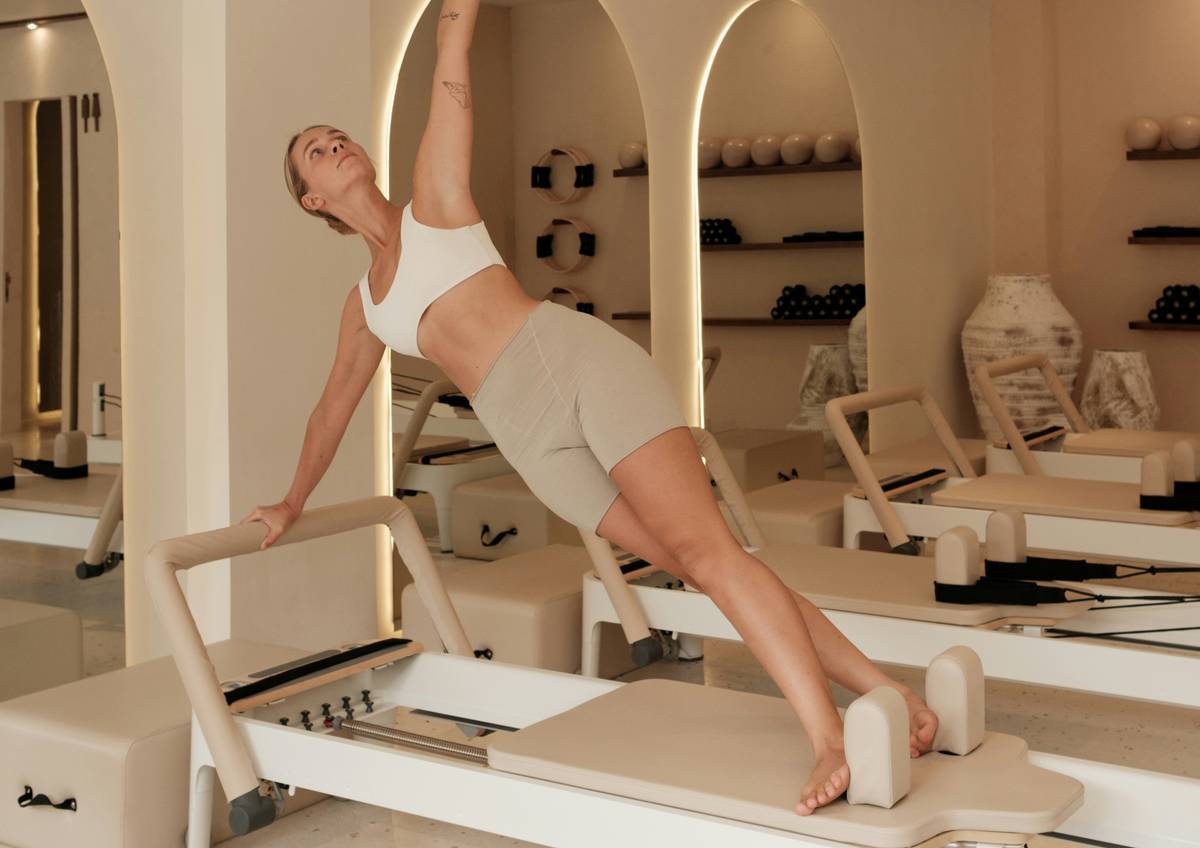
The difference lies in precision. Traditional crunches target rectus abdominis—but Pilates trains transversus abdominis, multifidus, pelvic floor, and obliques *as a coordinated unit*. This is core strength you can feel on a hike uphill, in a kayak turn, or when lifting a backpack without straining your spine.
How Pilates Builds Core Strength: A Step-by-Step Breakdown
1. Breath Re-Education
Before movement comes breath. Pilates uses “lateral thoracic breathing”—expanding ribs sideways and backward—to co-activate the transversus abdominis without clenching. A 2021 study in the Journal of Bodywork and Movement Therapies confirmed participants using this breathing pattern improved core endurance by 41% faster than those using standard abdominal bracing alone.
2. Pelvic Floor Integration
Pilates doesn’t isolate “kegels.” Instead, it links pelvic floor lift to exhale, ribcage narrowing, and subtle lumbar curve—so every rep strengthens support systems that prevent urinary leaks, low back strain, and postpartum diastasis recovery setbacks. This synergy is why physical therapists increasingly recommend it as first-line conservative care.
3. Controlled Eccentric Loading
Where typical fitness apps emphasize speed and reps, Pilates prioritizes slow, lengthened muscle release—like lowering legs from tabletop with zero pelvic tilt. That eccentric control builds tendon resilience and reduces sheer force on lumbar discs. No wonder trail runners integrate Pilates into injury-prevention routines.
5 Evidence-Based Tips for Getting Results—Fast
- Start seated, not supine: If you struggle with basic abdominal engagement, begin seated at the edge of a chair—feet flat, pelvis slightly forward—before progressing to floor work. It builds proprioceptive accuracy faster.
- Use tactile feedback: Place your fingers just inside your hip bones. When you exhale properly, you should feel a subtle inward draw—no grabbing, no holding. That’s your TvA waking up.
- Swap “suck in” for “zip up”: “Sucking in” inhibits diaphragm descent and spikes intra-abdominal pressure. “Zipping up” (imagining a zipper rising from pubic bone to xiphoid) engages the full corset without compromising breath.
- Limit repetitions—not duration: Five perfect, breath-synced single-leg stretches > twenty rushed ones. Quality triggers neurological rewiring; quantity builds fatigue-related compensation.
- Track posture shifts—not just strength: Notice if your shoulders relax away from your ears after two weeks. Does your standing posture feel lighter? These are early markers of true neuromuscular integration.
Terrifying Tip Alert: Never “lock out” your knees during Pilates leg work (e.g., “hundred,” “single leg stretch”). Hyperextension transfers load from stabilizers to ligaments—especially damaging for hikers and climbers who already stress knee joints on uneven terrain.
Real Outcomes: From Desk Workers to Trail Runners
A 2023 pilot with 48 remote workers (ages 34–58) at a tech firm used 2x/week Pandira Live Pilates classes focused on seated-core translation. After 6 weeks, 82% reported reduced midday low-back stiffness, and EMG readings showed 39% greater transversus activation during prolonged sitting—verified by third-party biomechanics lab analysis (Physiopedia). One participant—a trail ultrarunner—cut her downhill knee pain by 70% simply by syncing breath-to-step during descents—a direct carryover from Pilates rhythm training.
Frequently Asked Questions About Pilates and Core Health
- Does Pilates help with back pain?
- Yes—but only when taught with proper spinal alignment cues. Research confirms Pilates reduces chronic low back pain more effectively than generic exercise (Cochrane Review, 2022). Avoid classes that encourage “tucking the tailbone” under prolonged flexion.
- How long until I see core strength changes?
- Most notice improved posture and breath control in 2–3 weeks. Functional strength gains (e.g., carrying groceries without arching, stable plank hold for 90+ sec) typically emerge between weeks 5–8—with consistent practice.
- Can beginners do Pilates safely after pregnancy?
- Absolutely—if modifications are built in from day one. Our About Us page outlines our certified prenatal/postpartum Pilates framework, developed with pelvic floor physiotherapists.
- Is Pilates better than yoga for core strength?
- It depends on goals. Yoga builds dynamic flexibility and balance; Pilates specifically targets deep-stabilizer endurance and inter-segmental control. For injury-prone outdoor athletes, Pilates delivers faster measurable strength transfer.
- Do I need special equipment?
- No. Mat work is highly effective. But if you’re training for mountain biking or rock climbing, resistance bands and foam rollers enhance proprioceptive challenge—details covered in our Privacy Policy compliant course syllabi.
If you’ve ever felt lost in generic core advice—or tried five programs and still don’t know if your “core” is truly working—we get it. At Pandira Live, we teach Pilates not as isolated ab drills, but as living anatomy: breath, bone, and nerve woven into daily movement.
Ready to stop guessing and start feeling deeper control? Contact Us for a free 15-minute movement assessment—we’ll map exactly where your core connection needs reinforcing.
You don’t need a six-pack. You need a spine that trusts you.